Best STEM Kits for Kids in 2027
8 STEM kits for kids, scored on our public rubric from published specifications, dated prices and independent reviews.
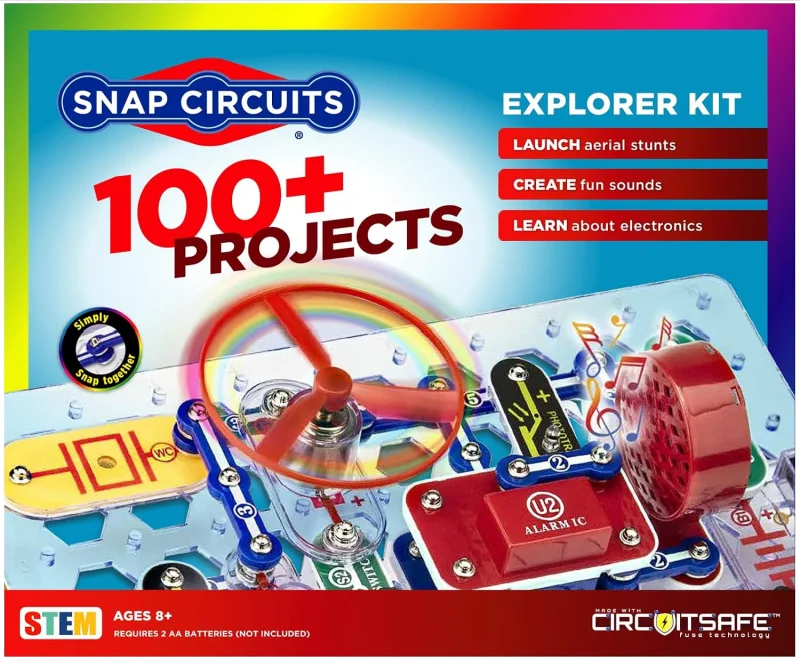
Snap Circuits Jr. SC-100 (101 experiments) - Snap-together electronics with 101 projects — the classic that taught our 7-year-old what a circuit is in one afternoon Tested Aug 2026 by Team RankingRight
- No tools, no soldering; parts snap onto a grid
- 101 projects from a light and switch to an alarm and a fan launcher
- Cheapest cost per hour in the ranking
KiwiCo Crates (Kiwi Crate (ages 5–8) / Tinker Crate (9–14)) - A complete, well-designed project every month for every age from 0 to 16 — the kits our children asked about on delivery day Tested Aug 2026 by Team RankingRight
- Everything in the box, including the glue; nothing to buy
- Instructions our 7-year-old followed alone for the Kiwi Crate
- Eight age lines from Panda (0–2) to Eureka (12–16)
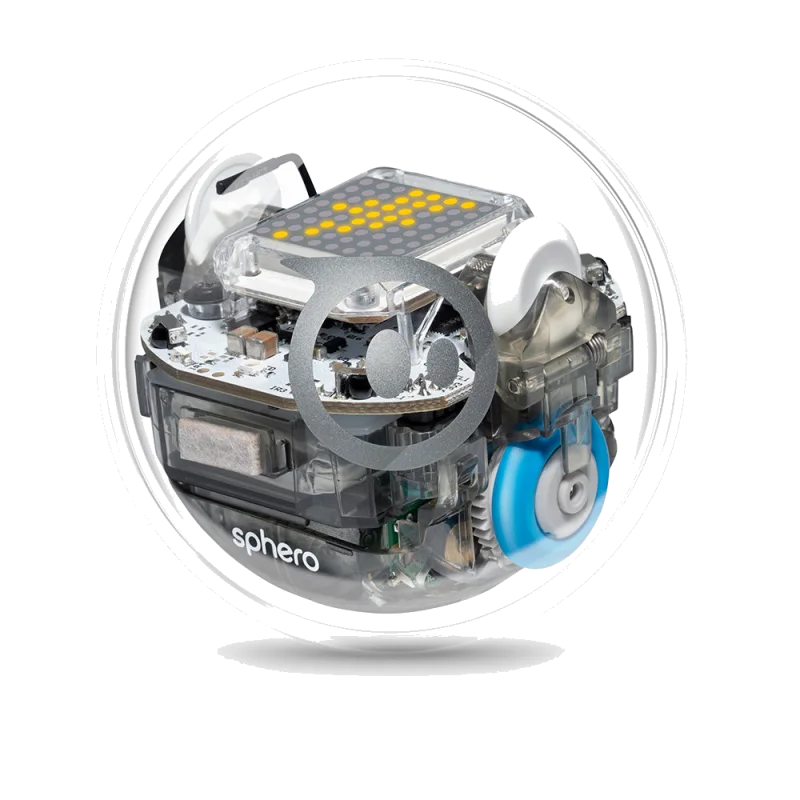
Sphero BOLT (App-enabled robot ball) - A programmable robot ball with an LED matrix and sensors that took our 11-year-old from block code to JavaScript over two weeks Tested Aug 2026 by Team RankingRight
- Draw, block and JavaScript coding in one app that grows with the child
- 8×8 LED matrix, compass, light sensor, infrared for robot-to-robot games
- Used in classrooms; hundreds of free lessons
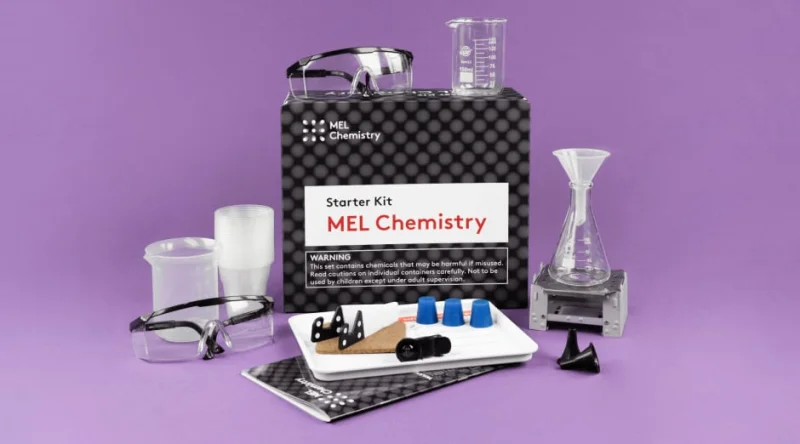
MEL Science (MEL Chemistry (10–16) / MEL Kids (5–10)) - Real chemistry and physics experiments with lab-grade equipment and VR lessons — the most science per box in the test, for older kids Tested Aug 2026 by Team RankingRight
- Experiments our 11-year-old could explain afterwards — tin dendrites, chemical clocks, a zinc-carbon battery
- Starter kit with real goggles, beakers and a phone macroscope
- App and VR lessons explain the chemistry at molecular level
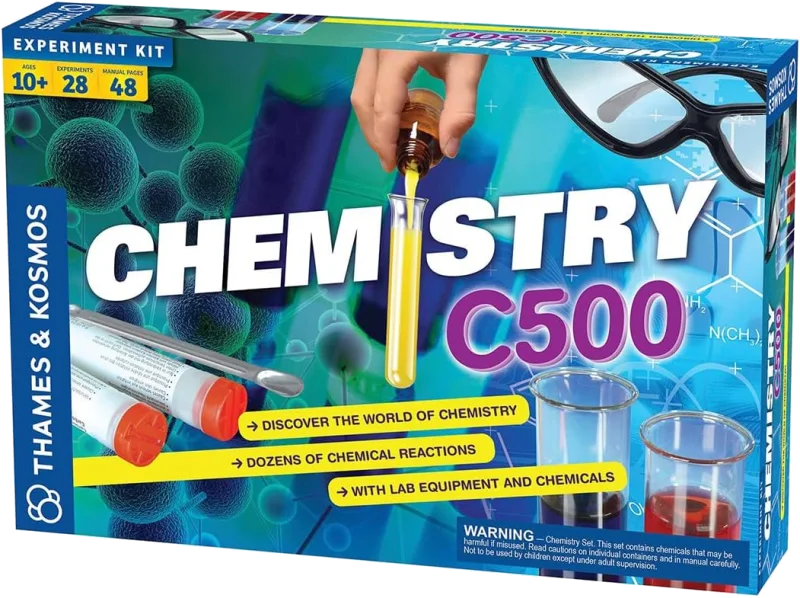
Thames & Kosmos CHEM C500 (28 experiments) - A proper beginner's chemistry set from the German lab-kit maker: 28 experiments with real reagents and a manual that explains the reactions Tested Aug 2026 by Team RankingRight
- Real chemicals, test tubes, pipettes and a manual with the chemistry explained
- Experiments build from acids and bases to electrochemistry
- German safety standards; clear disposal guidance
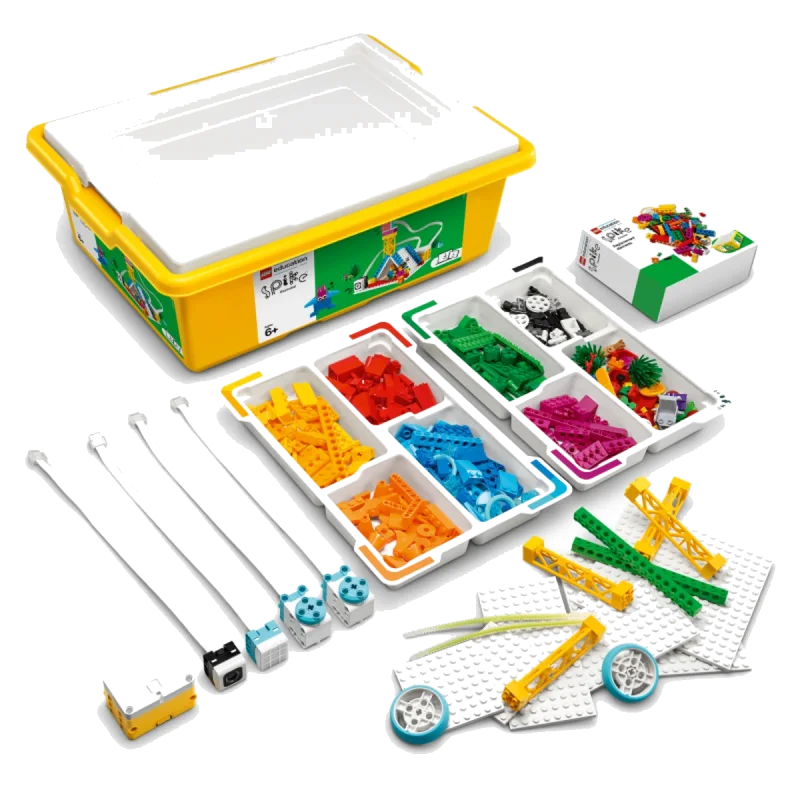
LEGO Education SPIKE Essential (Set 45345) - The classroom LEGO robotics set for ages 6–10: motors, sensors, a hub and story-based coding lessons Tested Aug 2026 by Team RankingRight
- Real motors, colour sensor and a hub with the LEGO you already own
- Story-based lessons made coding make sense to our 7-year-old
- Icon blocks for younger kids, word blocks for older
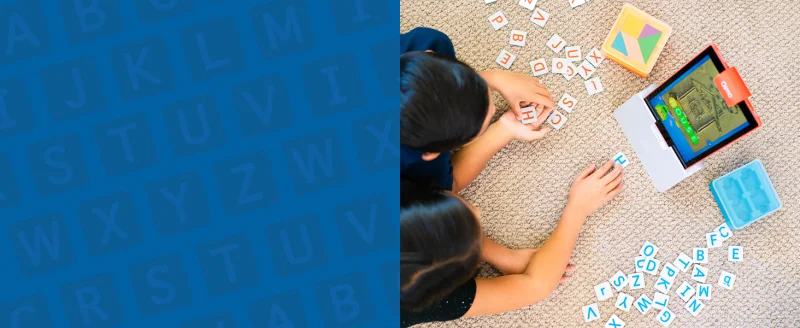
Osmo Genius Starter Kit for iPad (5 games) - Physical pieces the iPad camera can see — tangrams, number tiles, words and drawing — for ages 6 to 10 Tested Aug 2026 by Team RankingRight
- Screen time that involves hands and pieces, not swiping
- Our 7-year-old played Numbers and Tangram unprompted for two weeks
- Setup takes two minutes
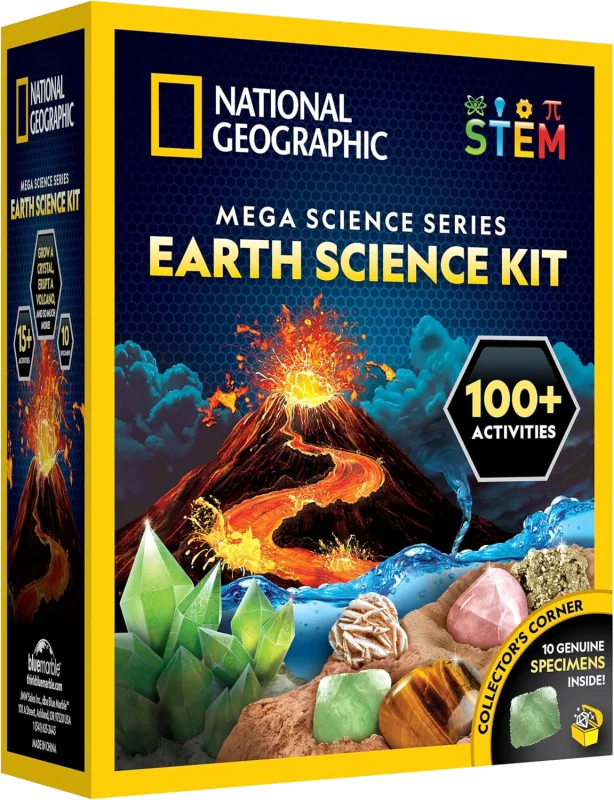
National Geographic Earth Science Kit (15 experiments) - Crystals, a volcano, a geode and 15 experiments for under $30 — the best-selling starter science kit, and a fair one Tested Aug 2026 by Team RankingRight
- Fifteen experiments including crystal growing and a real geode to break
- Cheapest kit here
- Learning guide explains the geology
What separates the best STEM kits for kids on this page?
Price runs from $23.95 to $299.95, and the scores sit between 7.8 and 8.9. The top pick, Snap Circuits Jr. SC-100 at 8.9, costs $34.99 and needs no tools or soldering — parts snap onto a grid, and the 101 projects go from a light and switch to an alarm and a fan launcher. Its weak spot is the manual: it explains what to build more than why it works.
KiwiCo Crates (8.7, $23.95) delivers a complete project every month with everything in the box, including the glue. The trade-off is $24–$30 a month, and some crates lean craft rather than science. It needs a tablet or phone.
MEL Science (8.4, $34.90) packs real chemistry and physics with lab-grade equipment and VR lessons, but most experiments need an adult alongside. Thames & Kosmos CHEM C500 (8.2, $39.95) gives 28 experiments with real reagents and a manual that explains the reactions; refills cost extra. LEGO Education SPIKE Essential (8.0, $299.95) brings real motors, a colour sensor and a hub, sold through education channels. Osmo Genius Starter Kit (8.0, $99.99) turns an iPad into hands-on tangrams and number tiles, though it is school-skill practice rather than open-ended science. National Geographic Earth Science Kit (7.8, $29.99) is the cheapest here, with fifteen experiments including crystal growing and a real geode.
What should you check before buying a STEM kit?
Our scoring weighs learning value 30, engagement 20, build quality & safety 15, parent effort 15 and value 20. Read the disliked points against your own household.
- Age and supervision: Snap Circuits Jr. has small parts and is not for under-5s in the house. CHEM C500 and MEL Science need an adult throughout.
- What is already in the box: KiwiCo includes the glue; the National Geographic kit needed household extras such as vinegar and containers.
- Devices: Sphero BOLT needs a tablet or phone; Osmo needs an iPad or Fire tablet.
- Ongoing cost: subscriptions run $23.95–$34.90 a month, and CHEM C500 reagents are used up.
- Replay value: most National Geographic experiments are one-and-done.
Which STEM kit for whom?
For a first electronics kit, Snap Circuits Jr. SC-100. For a monthly project that arrives ready to build, KiwiCo Crates. For a child moving from block code to JavaScript, Sphero BOLT. For real chemistry with VR lessons, MEL Science. For a beginner chemistry set with a manual that explains the reactions, Thames & Kosmos CHEM C500. For LEGO robotics with motors and sensors, LEGO Education SPIKE Essential. For hands-on iPad play, Osmo Genius Starter Kit. For a cheap starter science kit, National Geographic Earth Science Kit.
If you want one kit that teaches circuits without tools, Snap Circuits Jr. SC-100 at $34.99 is the pick. KiwiCo Crates suits families who want a ready-to-build project each month, while Sphero BOLT fits a child ready to move from block code to JavaScript. For real chemistry, MEL Science and Thames & Kosmos CHEM C500 cover different budgets and supervision levels.
Related guides
Questions about best stem kits for kids in 2027
*Scores: Learning value 30 · Engagement 20 · Build quality & safety 15 · Parent effort 15 · Value 20; score = Σ ÷ 10. Prices shown were checked on the date beside each and may change. Affiliate links are added only after a score is locked and can never change it. How we rank.