Best Science Kits for Kids
Only the kits that fit "best science kits for kids", built and run by real children and scored on the public rubric.
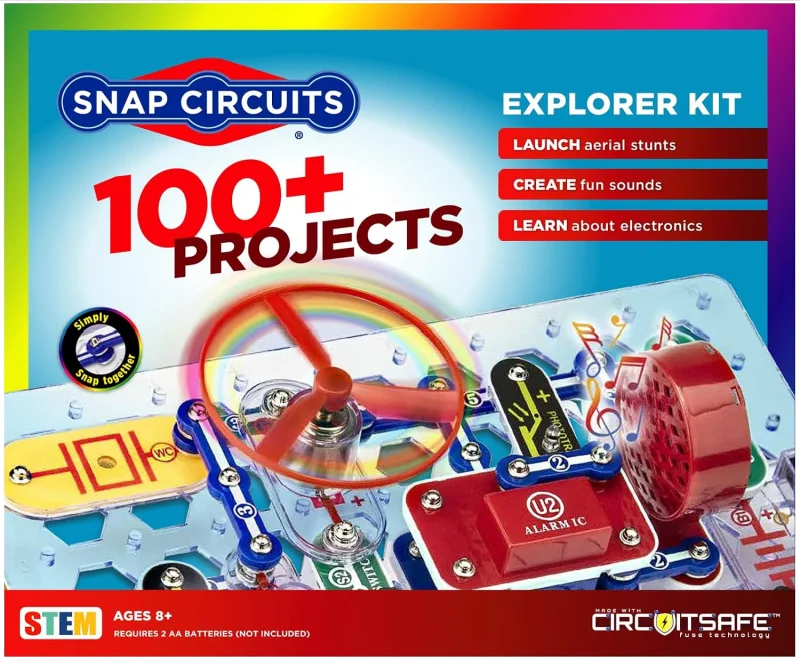
Snap Circuits Jr. SC-100 (101 experiments) - Snap-together electronics with 101 projects — the classic that taught our 7-year-old what a circuit is in one afternoon Tested Aug 2026 by Team RankingRight
- No tools, no soldering; parts snap onto a grid
- 101 projects from a light and switch to an alarm and a fan launcher
- Cheapest cost per hour in the ranking
KiwiCo Crates (Kiwi Crate (ages 5–8) / Tinker Crate (9–14)) - A complete, well-designed project every month for every age from 0 to 16 — the kits our children asked about on delivery day Tested Aug 2026 by Team RankingRight
- Everything in the box, including the glue; nothing to buy
- Instructions our 7-year-old followed alone for the Kiwi Crate
- Eight age lines from Panda (0–2) to Eureka (12–16)
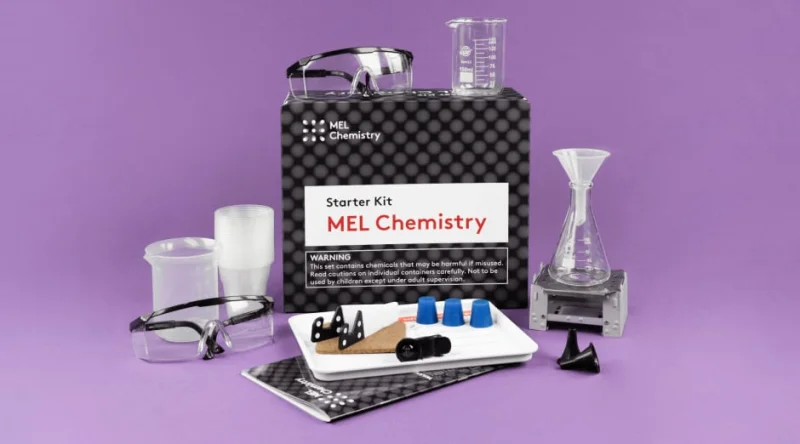
MEL Science (MEL Chemistry (10–16) / MEL Kids (5–10)) - Real chemistry and physics experiments with lab-grade equipment and VR lessons — the most science per box in the test, for older kids Tested Aug 2026 by Team RankingRight
- Experiments our 11-year-old could explain afterwards — tin dendrites, chemical clocks, a zinc-carbon battery
- Starter kit with real goggles, beakers and a phone macroscope
- App and VR lessons explain the chemistry at molecular level
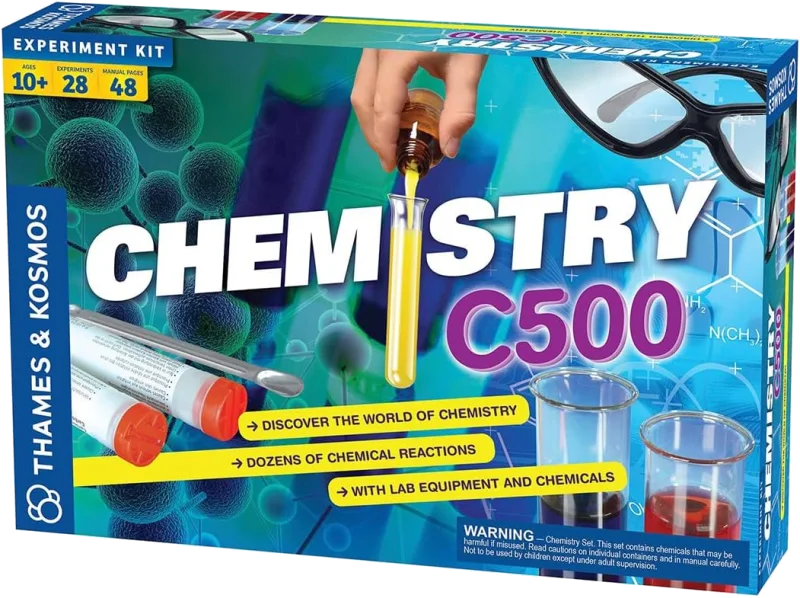
Thames & Kosmos CHEM C500 (28 experiments) - A proper beginner's chemistry set from the German lab-kit maker: 28 experiments with real reagents and a manual that explains the reactions Tested Aug 2026 by Team RankingRight
- Real chemicals, test tubes, pipettes and a manual with the chemistry explained
- Experiments build from acids and bases to electrochemistry
- German safety standards; clear disposal guidance
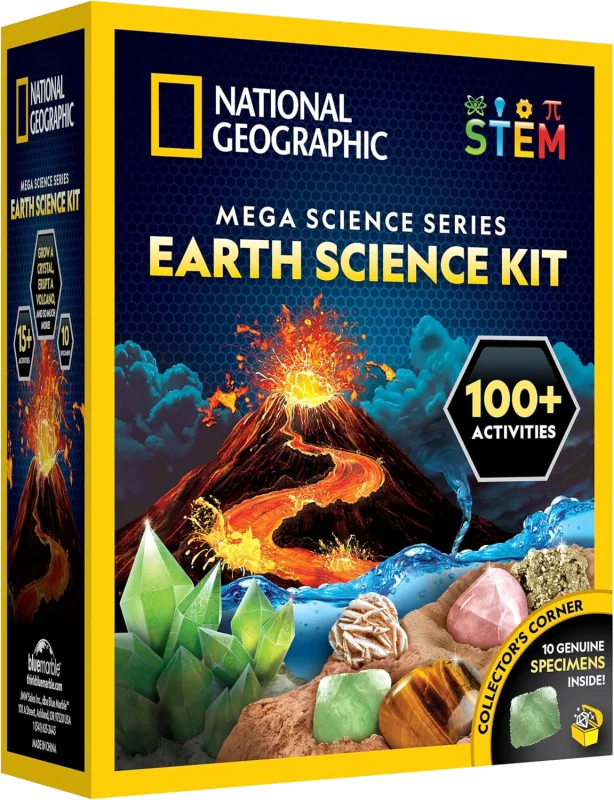
National Geographic Earth Science Kit (15 experiments) - Crystals, a volcano, a geode and 15 experiments for under $30 — the best-selling starter science kit, and a fair one Tested Aug 2026 by Team RankingRight
- Fifteen experiments including crystal growing and a real geode to break
- Cheapest kit here
- Learning guide explains the geology
More to consider
These 3 come from retailer catalogs. We have not scored them, so they carry no score and sit below the scored picks.
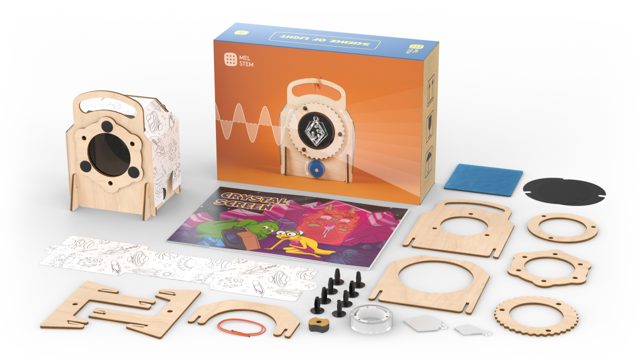 Science of Light Activity Kit
A hands-on activity kit from MEL Science that explores light and polarizers through experiments. View at MEL Science →
 100+ Science Experiments for School and Home Resource Book Grade 5-8 eBook (PDF)
A resource book of over 100 science experiments for students in grades 5-8 to do at school or home. View at Carson Dellosa Education →
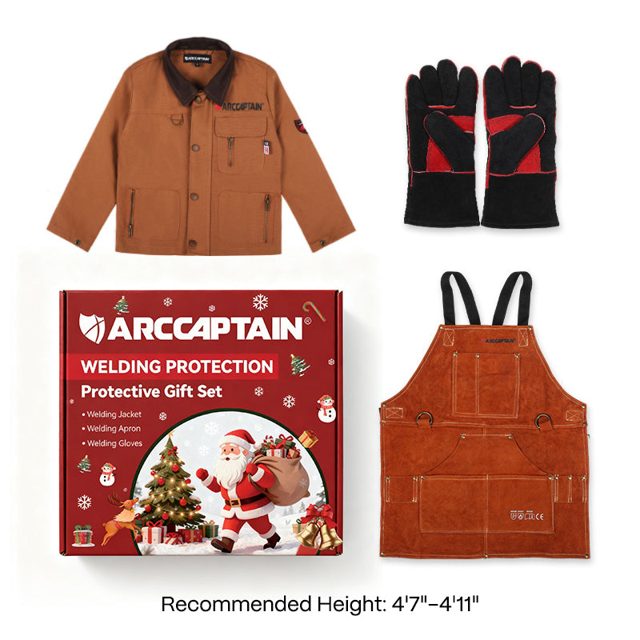 Welding Kit for Kids – Protective Equipment Set
A protective equipment set for kids interested in trying welding. View at Arccaptain →
What separates the best science kits for kids on this page?
Five kits, five different jobs. Snap Circuits Jr. SC-100 scores 8.9 at $34.99 and does one thing well: parts snap onto a grid with no tools and no soldering, and 101 projects run from a light and switch to an alarm and a fan launcher. The manual explains what to build more than why it works, and the small parts rule out under-5s in the house.
KiwiCo Crates scores 8.7 at $23.95 a month. Everything arrives in the box, including the glue, and the instructions were followed alone by a 7-year-old for the Kiwi Crate. Eight age lines run from Panda (0–2) to Eureka (12–16). The catch: $24–$30 a month adds up, and some crates are craft rather than science.
MEL Science scores 8.4 at $34.90 a month and is the most science per box here. An 11-year-old could explain the tin dendrites, chemical clocks and zinc-carbon battery afterwards, and the starter kit includes real goggles, beakers and a phone macroscope. It is the most expensive subscription here, and most experiments need an adult alongside.
Thames & Kosmos CHEM C500 scores 8.2 at $39.95 with 28 experiments, real reagents, test tubes, pipettes and a manual that explains the chemistry. Reagents get used up and refills cost extra. National Geographic Earth Science Kit scores 7.8 at $29.99: fifteen experiments including crystal growing and a real geode to break, but most are one-and-done and several needed household extras like vinegar and containers.
What should you check before buying a science kit?
The rubric weights learning value 30, engagement 20, build quality & safety 15, parent effort 15 and value 20, so those are the questions to ask in the aisle.
- Who is it for? A 7-year-old alone with KiwiCo is a different purchase from an 11-year-old explaining chemistry with MEL Science.
- How much adult time? CHEM C500 needs supervision throughout; Snap Circuits Jr. does not.
- What is already in the house? National Geographic needed vinegar and containers; KiwiCo includes the glue.
- One-off or ongoing? Snap Circuits Jr., CHEM C500 and the National Geographic kit are single purchases. KiwiCo and MEL Science bill monthly.
- Refills and consumables. CHEM C500 reagents run out; National Geographic experiments are mostly one-and-done.
Snap Circuits Jr. SC-100
For a first electronics kit and the child who wants to build without help. Cheapest cost per hour in the ranking.
KiwiCo Crates
For families who want a complete project every month across ages 0 to 16, with nothing to buy.
MEL Science
For an older child ready for real chemistry and physics, with an adult nearby and a budget for $35 a month.
Thames & Kosmos CHEM C500
For a child who wants a proper beginner's chemistry set and a parent willing to supervise and buy refills.
National Geographic Earth Science Kit
For a low-cost start on crystals, a volcano and a geode, accepting that most experiments run once.
For a first electronics kit with no adult needed, Snap Circuits Jr. SC-100 at 8.9 is the pick. KiwiCo Crates suits families who want a complete project every month, and MEL Science suits an older child ready for real chemistry with an adult alongside. Thames & Kosmos CHEM C500 is for a supervised beginner chemist, and the National Geographic Earth Science Kit is the low-cost start.
Questions about best science kits for kids
*Scores: Learning value 30 · Engagement 20 · Build quality & safety 15 · Parent effort 15 · Value 20; score = Σ ÷ 10. Prices shown were checked on the date beside each and may change. Affiliate links are added only after a score is locked and can never change it. How we rank.